What Is the JLPT N1 Certificate?
The JLPT (Japanese Language Proficiency Test) is the most recognized Japanese language exam worldwide, with five levels (N5 to N1). N1 is the most advanced, designed for near-native proficiency.
What Does JLPT N1 Prove?
- Reading: Ability to understand complex texts (newspapers, academic papers, legal documents).
- Listening: Comprehending fast-paced conversations, news reports, and nuanced speech.
- Grammar & Vocabulary: Mastery of advanced grammar patterns and 10,000+ words.
Unlike lower levels, N1 requires deep cultural understanding—you’ll need to grasp idioms, indirect expressions, and formal keigo (敬語).
Why Does the JLPT N1 Certificate Matter?
1. Career Advancement in Japan
Many Japanese companies require N1 for high-level jobs, especially in:
- Business & Finance (e.g., trading firms, consulting)
- Engineering & IT (tech companies like Toyota, Sony)
- Translation & Interpretation (official documents, media)
According to a 2023 survey by Japan’s Ministry of Economy, 70% of firms hiring foreigners prefer N1 holders for managerial roles.

2. Higher Education Opportunities
If you plan to study at a Japanese university, N1 exempts you from language entrance exams. Top schools like Tokyo University and Kyoto University often require it for graduate programs.
3. Visa & Immigration Benefits
Japan’s Highly Skilled Professional Visa awards extra points for N1 holders, speeding up permanent residency applications.
4. Personal Achievement
Passing N1 is a huge confidence boost—it shows you’ve conquered one of the hardest language exams in the world.
How to Get the JLPT N1 Certificate: A Step-by-Step Guide
Step 1: Assess Your Current Level
Before jumping into N1 prep, test your skills. Try:
- Official JLPT practice tests (download here)
- Online level checks (like J-Test)
If you’re between N2 and N1, expect 6-12 months of intensive study.
Step 2: Build a Study Plan
N1 demands 1,500+ study hours (after N2). Here’s a balanced approach:
| Skill | Resources | Study Tips |
|---|---|---|
| Kanji & Vocabulary | Shin Kanzen Master N1 Goi | Learn 10-15 new words daily |
| Grammar | Try! JLPT N1 Grammar | Focus on nuanced usage |
| Reading | Japanese Newspapers (Asahi, Yomiuri) | Read 1 article daily |
| Listening | NHK News, Japanese Podcasts | Shadowing technique |
Step 3: Take Mock Exams
The JLPT is time-pressured. Practice full-length tests under real conditions.
Step 4: Register for the Exam
- Test Dates: July & December (held worldwide)
- Fees: ~¥7,500 (varies by country)
- Registration: Official JLPT Site
Common Mistakes to Avoid
1. Ignoring Listening Practice
Many students focus too much on reading and fail listening. Solution: Watch Japanese dramas without subtitles (e.g., Terrace House).
2. Memorizing Without Context
N1 tests practical usage, not just definitions. Solution: Write sample sentences for new words.
3. Last-Minute Cramming
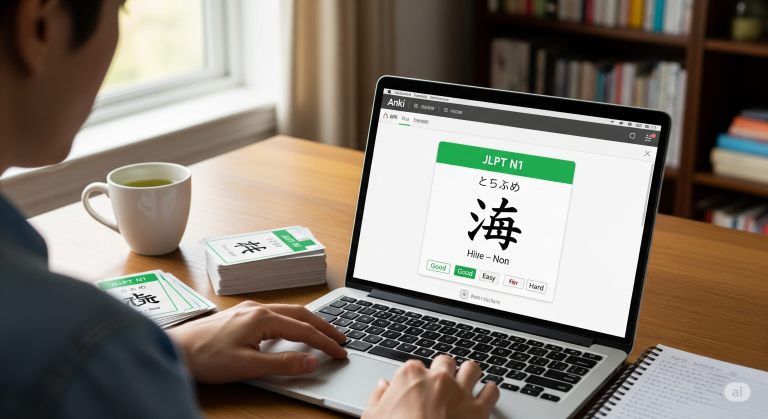
N1 requires long-term retention. Solution: Use spaced repetition (Anki decks).
What’s Next After Passing JLPT N1?
1. Work in Japan
- Apply via job sites (Daijob, Careercross)
- Consider bilingual recruiters (Robert Walters, Hays)
2. Freelance Translation
Sites like Upwork and Gengo offer high-paying gigs for N1 holders.
3. Further Specialization
- Business Japanese (BJT Exam)
- Medical/Technical Translation Courses
Final Thoughts
Earning the JLPT N1 certificate is tough—but worth it. It opens doors to elite jobs, academic opportunities, and deeper cultural connections.
If you’re preparing, stay consistent, practice daily, and immerse yourself in Japanese. And remember: even native speakers struggle with some N1 content, so don’t be discouraged!
Need more JLPT tips? Check out our guides on: