Introduction
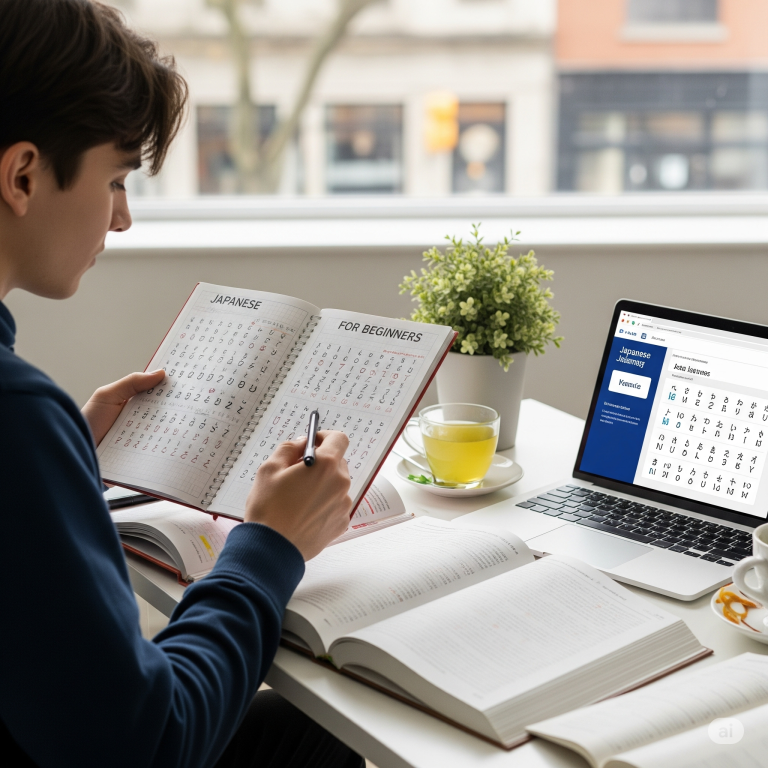
So, you’ve decided to learn Japanese by yourself—awesome! Whether you’re dreaming of watching anime without subtitles, traveling to Japan, or just challenging yourself, self-studying Japanese is totally possible.
But let’s be real: learning a language solo can feel overwhelming. Where do you start? What methods actually work? And how do you stay motivated when there’s no teacher holding you accountable?
Don’t worry—I’ve been there. After years of trial and error (and plenty of mistakes), I’ve figured out what actually works when it comes to self-studying Japanese. In this guide, I’ll share practical, battle-tested tips to help you learn Japanese efficiently—without burning out.
Why Self-Study Japanese?
Before diving into the how, let’s talk about the why. Learning Japanese independently has some serious perks:
✅ Flexibility – Study at your own pace, whenever you want.
✅ Cost-Effective – No expensive classes or tutors needed.
✅ Personalized Learning – Focus on what you care about (anime, travel, business, etc.).
But (and this is a big but), self-study requires discipline. The key is using the right methods so you don’t waste time.
Step 1: Set Clear Goals
One of the biggest mistakes learners make is diving in without a plan. Ask yourself:
🔹 Why am I learning Japanese? (For fun, work, JLPT, travel?)
🔹 How fluent do I want to be? (Basic conversations vs. business-level?)
🔹 What’s my timeline? (3 months? 1 year?)
For example:
- “I want to pass JLPT N5 in 6 months.”
- “I want to understand anime without subtitles in a year.”
Having a clear target keeps you focused.
Step 2: Master Hiragana & Katakana FIRST
Many beginners jump straight into apps or textbooks without learning the Japanese writing systems. Big mistake.
Hiragana and Katakana are the foundation—you need them to read anything. Here’s how to tackle them:
📌 Use Mnemonics – Associate characters with images (e.g., く ku looks like a bird’s beak saying “coo”).
📌 Practice Writing – Grab grid paper and write them daily.
📌 Flashcards – Apps like Tofugu’s Learn Kana make it fun.

Pro Tip: Skip romaji (English letters) ASAP—it’ll only slow you down.
Step 3: Build a Strong Vocabulary
Words are the building blocks of any language. But memorizing random lists? Not effective.
Best Ways to Learn Japanese Vocabulary
✔ Spaced Repetition (SRS) – Apps like Anki or WaniKani help you remember words long-term.
✔ Learn in Context – Instead of isolated words, study sentences (try Tae Kim’s Guide).
✔ Thematic Lists – Focus on useful topics (greetings, food, travel) rather than random words.
Insight: Learning just 10 words a day = 3,650 words in a year!
Step 4: Get Comfortable with Grammar
Japanese grammar is different from English, but it’s not as scary as people think.
Best Grammar Resources
📚 “Genki” Textbook Series – Perfect for beginners.
📚 Tae Kim’s Free Guide – Straightforward explanations.
📚 Cure Dolly’s YouTube Channel – Unique, easy-to-understand lessons.
Key Tip: Don’t obsess over perfection—focus on understanding patterns first.
Step 5: Practice Listening & Speaking
Many self-learners neglect speaking because they’re “not ready.” But the sooner you start, the better.
How to Improve Listening & Speaking
🎧 Watch Japanese Media – Anime, dramas, YouTube (try Japanese Ammo with Misa).
🗣 Shadowing Technique – Repeat what you hear to improve pronunciation.
💬 Language Exchange – Use apps like HelloTalk to chat with natives.
Pro Tip: Even talking to yourself in Japanese helps!
Step 6: Read & Write Regularly
Reading reinforces everything you learn. Start simple:
📖 Graded Readers – Short stories for learners.
📖 NHK News Easy – Simplified news articles.
📖 Manga – Try Yotsuba&! (easy for beginners).
For writing, keep a Japanese journal or post on LangCorrect.
Step 7: Stay Motivated (The Hardest Part)
Let’s be honest—motivation fades. Here’s how to keep going:
🔥 Track Progress – Use a habit tracker or journal.
🔥 Join Communities – Reddit’s r/LearnJapanese is super supportive.
🔥 Reward Yourself – Celebrate small wins (e.g., finishing a textbook chapter).
Remember: Even 10 minutes a day adds up.
Common Mistakes to Avoid
❌ Relying Only on Apps – Duolingo won’t make you fluent.
❌ Ignoring Kanji Early – Start learning basic Kanji ASAP.
❌ Not Practicing Speaking – You’ll regret it later.
Final Thoughts
Learning Japanese by yourself is challenging but incredibly rewarding. The key is consistency, smart resources, and enjoying the process.
Ready to start? Pick one tip from this guide and apply it today. 頑張って (Ganbatte—you got this)!
More Helpful Resources
- Best Japanese Learning Apps (2025 Guide)
- How to Pass JLPT N5: Study Plan & Tips
- Tofugu’s Ultimate Japanese Learning Guide (Outbound Link)
What’s your biggest struggle with learning Japanese? Let me know in the comments! 🚀